Tuesday, February 4, 2025

Q-Balls As Dark Matter?

A new preprint, entitled "Can Q-balls describe cosmological and galactic dark matter?" by Susobhan Mandal and S. Shankaranarayanan proposes "Q-Balls" as a dark matter candidate (hat tip to neo). The abstract and introduction to the preprint, excerpts of which explains the hypothesis (but contradict each other on the question of Q-ball mass, a probably that may be fixed in edits to the pre-print). I have interlineated my commentary in square brackets.
Abstract 
Q-balls, which are localized, non-topological solitons, can be a bridge between the two hypotheses. Q-balls formed in the early Universe can mimic CDM at cosmological scales. Interestingly, Q-balls can exhibit MOND-like behavior in the late Universe at galactic scales, providing a unified framework. Specifically, we demonstrate that millicharged composite Q-balls formed from complex scalar fields, decoupled from the background radiation, can naturally arise during the radiation-dominated epoch. From the matter-radiation equality, we also obtain the mass of Q-balls to be 1 eV [Ed. the body text says 41 eV], which are much smaller than the electron mass. Using the constraints from the invisible decay mode of ortho-positronium, we obtain Q<3.4×10^−5. We also establish an upper bound on the number density of Q-balls, which depends on the charge of the Q-ball and the small initial charge asymmetry. . . .  
Introduction 
The most convincing evidence for dark matter (DM) is found at the cosmological scales. The Λ-Cold-Dark-Matter (ΛCDM) model, in which DM is composed of collisionless particles, fits the temperature fluctuations of the Cosmic Microwave Background (CMB), the matter power spectra, and the abundance and mass function of galaxy clusters extraordinarily well. The foundation of the conventional cold dark matter hypothesis is the existence of non-relativistic, collision-free dark matter particles. Also, dark matter constituents cannot possess an electric charge comparable to that of electrons unless they are extremely heavy. 

However, this does not rule out the intriguing possibility of electrically millicharged particles. Millicharged particles have an electric charge e′ = εe, where e is the electron charge and ε ≪ 1. These particles can be either bosons or fermions, and they naturally arise in a wide range of models. [Ed. the exquisite sensitivity of physics measurements to even slight electromagnetic charges makes an EM millicharged particle hypothesis highly unlikely. For example, this would impact muon g-2 measurements in ways that are not observed and are at parts per billion levels.]
This naturally raises the question: Is there a framework where the DM behaves as a CDM in the cosmological scales and can mimic MOND in the galaxy scales? In other words, is there a mechanism where CDM and MOND share a common ancestry?  
This work proposes an alternative mechanism with the same origin but behaves differently in the cosmological and galactic scales. We demonstrate that non-topological solitons — the Q-balls — can be formed in the early Universe and mimic CDM at the cosmological scales. Specifically, we show that Q-balls from complex scalar field decoupled from the background radiation can naturally form in the radiation-dominated epoch. In contrast, they mimic MONDat galactic scales in the late Universe. 
Q-balls can naturally form in a wide range of particle physics models and can be produced in the early Universe, and can be stable. Recently, the existence of Q-balls in the dark sector of the Universe and its astrophysical consequences have gained interest. [Ed. actually, Q-ball models are far out of the mainstream in particle physics, involve Byzantine contortions to produce a questionable physics model disfavored by Occam's Razor, and aren't well-motivated.]

For a class of complex scalar field theory, we show that Q-ball configurations exist in the recombination epoch during the radiation-dominated (RD) era in the early Universe. We show that the Q-balls formed satisfy the two conditions — stability and existence. We show that the density perturbations that reenter during the recombination epoch increase the production of Q-balls and compute the number density of the thin-wall Q-balls in the Universe. We also compute the upper bound on the number density of Q-balls based on its global U(1) charge and small primeval charge asymmetry, which might be created due to primordial anomaly due to helical magnetic fields. It is also possible to generate charge asymmetry due to the helicity of the gravitational waves. From the matter-radiation equality, we also obtain the mass of Q-balls to be 41 eV, which are much smaller than the electron mass. Combined with the invisible decay mode of ortho-positronium leads to Q < 3.4×10^−5. Suggesting that the millicharged Q-balls are DM candidates responsible for the early structure. 

Since the Q-balls decay as 1/a3(η) in the early epoch, they behave like CDM in the cosmological scales. Later, we look at the possibility of forming Bose-Einstein condensate (BEC) and superf luidity by these Q-balls in the present Universe (dominated by dark energy). 
We find the Q-balls can indeed form these phases of matter, which eventually lead to the law predicted by Modified Newtonian dynamics at the galactic scale. Thus, we show that the cosmological and galactic dark matter share a common ancestry, representing distinct phases of a single background fluid. 

The possibility that galactic DM can be a superfluid has recently attracted attention. This is based on two key ideas: The first notion that the DM forms a superfluid within galaxies with a coherence length equal to the size of the galaxies is widespread. Second, the DM superfluidity phenomenon occurs frequently if the DM particle is sufficiently light and has a significant self-interaction. A superfluid is a state of matter where impurity particles flow without dissipation as long as they remain below a critical velocity, a phenomenon known as Landau’s criterion. Superfluidity and Bose-Einstein condensation are intimately related phenomena. In order to acquire a superfluid phase, BoseEinstein condensation must first occur; however, the converse is not true, as the superfluidity property disappears in the absence of interactions. Thus, we show that Q-balls can be considered a DM candidate, which acts as a composite object at the cosmological scale and behaves as collective excitation on the galactic scale.

The background analysis of why other solutions to explaining dark matter phenomena don't work in the introduction is also interesting, although not very rigorous: 

On cosmological scales, CDM accurately predicts the formation of structure. At smaller distance scales, however, the accurate picture is nebulous. As galaxy simulations and measurements have advanced, the CDM paradigm has encountered several challenges. Contradictory predictions concerning structure on galactic and sub-galactic scales, however, seem to result from it. Local group dwarf satellite galaxies present the main obstacles. Dwarf satellites are excellent candidates for in-depth studies of DM microphysics due to their DM dominance. With the discovery of ultra-faint dwarfs, the old ”missing satellite” problem has been gradually resolved, and other, more pressing problems have emerged. Recent attempts to match populations of simulated subhaloes and observed Milky Way (MW) dwarf galaxies uncovered a “too big to fail” issue. The most massive black halos are too dense to contain the brightest MW satellites. Even more perplexing is that most MW and Andromeda (M31) satellites co-rotate within immense planar structures. This can not be explained within the ΛCDM model. Also, recently, it has been suggested that the growth rate of perturbations is higher than predicted by the ΛCDM model. These issues raise the possibility or implication that dark matter is not cold or collision free. 

Weakly interacting massive particles (WIMPS) or axions, the two generally accepted possibilities for dark matter, would be excluded in that case. 

The defining feature of the thermal WIMP is its relic abundance naturally explained by the freeze-out process with a weak-scale cross-section. This cross-section would account for the elusive non-gravitational interactions of dark matter (DM). WIMP candidates naturally appear around the weak scale in many theories beyond the standard model (BSM). While a simple thermal WIMP is not the only possibility for DM, it is a compelling scenario that demands definitive testing. If WIMPs constitute the DM in the Universe, including our Galaxy’s DM halo, they should be ubiquitous, even in our immediate vicinity. This raises the question of directly detecting these WIMPs in the laboratory. This possibility was first explored by M Goodman and E Witten in 1985. They proposed that WIMPs elastically scattering off nuclei of chosen detector materials might leave recoiling nuclei with detectable kinetic energies. Goodman and Witten suggested that coherent elastic scattering of WIMPs off nuclei, with the cross-section proportional to A (A is the mass number of the nucleus), could yield a detectable rate of scattering events. Subsequently, numerous experiments worldwide, employing diverse detection techniques and materials, have sought WIMPs. However, to date, none of these experiments have definitively claimed WIMP detection. 

In contrast, Modified Newtonian Dynamics (MOND) provides a radical alternative to DM by modifying the Newtonian force law. According to MOND, the modification to Newtonian force law occurs at low acceleration. Thus, MOND can be understood as either a change to the Poisson equation that modifies gravity or a shift in inertia that modifies inertia by breaking the inertial and gravitational mass equivalence. This empirical force law has astonishingly explained a broad range of galactic events. It predicts asymptotically flat rotation curves for spiral galaxies and provides an excellent fit to exact rotation curves. The only free parameter is the critical acceleration a(0), whose best-fit value is the Hubble constant. Interestingly, the Baryonic Tully Fisher Relation (BTFR) is a direct result of this force law deep within the MOND regime. In ΛCDM, galaxies are surrounded by extensive DM halos, so a merger cannot be avoided. In contrast, in MOND, there is only stellar dynamical friction so that a merger can be avoided. According to MOND, tidal dwarf galaxies should have flat rotation curves and reside on the BTFR, consistent with NGC5291’s dwarfs. On extragalactic scales, however, MOND faces more severe problems. 

MOND and CDM are, therefore, effective in almost mutually exclusive regimes. The Λ-CDM model can explain the expansion and linear growth histories and the abundance of clusters, but on a galactic scale, it has certain limitations. MOND explains the observable features of galaxies reasonably well in general, notably the empirical scaling relations. However, it is highly improbable that it can be consistent with the complex shape of the CMB and matter power spectra. [Ed. this speculation is false.] 

To our knowledge, it is difficult to have CDM and MOND behaviors through particle dark matter models. As mentioned earlier, WIMPS or Axions cannot connect these theories in their respective mutually exclusive domains. More than that, WIMPs and axions cannot explain the low energy theory of phonon modes at the galactic scale as their rest mass energy is very high. [Ed. WIMPS are indeed largely ruled out. This paper has no solid support for the claims it makes about axion-like particle dark matter, which relies on mechanism similar to Q-balls to come closer to reproducing MOND than CDM does.]

Recently, the interest in Primordial Blackholes (PBHs) as a dark matter candidate over particle dark matter candidates is to fill this gap. Also, PBHs are not subject to the Big Bang nucleosynthesis (BBN) constraints of Baryons, making them non-baryonic entities that exhibit similar characteristics to CDM particles. [Ed. the paper fails to note that PBH is largely ruled out as the primary source of DM, but dismisses this hypothesis anyway without explanation. "For reasonable assumptions on those PBH binaries' properties before their evolution inside dark matter halos, we get that fraction to be in the range of 5×10^−3 to 0.1, for PBH masses of 5-80M⊙." Of course, the linked paper itself has issues, because PBH's are largely ruled out for masses other than asteroid masses, by micro-lensing for larger PBH's and by evaporation via Hawking radiation for smaller ones. There is also strong suggestive evidence from other sources that asteroid sized PBH's don't exist. PBH's of 5-80⊙ aren't what the DM candidate PBH's are talking about.]

Tentative DM Signal Not Replicated

The DAMA/LIBRA modulation signal is proposed to be a signal of dark matter annihilation. But, the ANAIS-112 experiment has failed to replicate this signal, casting doubt upon it as evidence of dark matter.
This article presents the results of the annual modulation analysis corresponding to six years of ANAIS-112 data. Our results, the most sensitive to date with the same target material, NaI(Tl), are incompatible with the DAMA/LIBRA modulation signal at a 4σ confidence level. Such a discrepancy strongly challenges the DAMA/LIBRA dark matter interpretation and highlights the need to address systematic uncertainties affecting the comparison, particularly those related to the response of detectors to nuclear recoils, which may require further characterization of the DAMA crystals.
From here.

Monday, February 3, 2025

Constraints On Ultra-High Energy New Physics From Cosmic Rays

Deligny cleverly uses ulta-high energy cosmic rays as a natural experiment to discern limits on possible new high energy physics beyond the Standard Model of Particle Physics (BSM) at energies well beyond those that can be explored in existing, and even next generation, particle colliders.

Various phenomena of physics beyond that of the Standard Model could occur at high scale. Ultra-high energy cosmic rays are the only particles available to explore scales above a few dozens of TeV. Although these explorations are much more limited than those carried out with colliders, they provide a series of constraints in several topics such as tests of Lorentz invariance, dark matter, phase transitions in the early universe or sterile neutrinos. Several of these constraints are reviewed in these proceedings of UHECR2024 based on searches for anomalous characteristics in extensive air showers or searches for ultra-high energy gamma rays and neutrinos.
O. Deligny, "Various constraints on BSM physics from extensive air showers and from ultra-high energy gamma-ray and neutrino searches" arXiv:2501.19322 (January 31, 2025).

The body text discusses the following constraints, most of which are rather obscure:

1. Lorentz Violation.

If Lorentz violation (i.e. deviations from special relativity) exists, a certain parameter the suppresses neutral pion decay would be negative, which would also allow individual photons to decay without interacting with other particles. This parameter is observationally constrained by be not smaller than negative 6 parts per 10^21.

In general, the observational constraints on Lorentz violation from this source, as well as from other methodologies, are extremely strict, but can't entirely rule out extremely slight Lorentz violations.

2.  Superheavy dark matter particles

Constraints on superheavy dark matter particles including "inflatons" and spin 3/2 gravitinos can be established:

Other observational astronomy constraints not mentioned also disfavor ultra-heavy dark matter particle candidates, even in the parts of the parameters space where cosmic ray observations alone allow them.

3. Early Universe Phase Transitions

Cosmic strings "are regions of space-time that remain in a symmetry unbroken phase due to boundary conditions that topologically restrict their decay." These would spontaneously decay in the very early universe resulting in a phase transition as the U(1) symmetry and force that holds these strings together completely disappears as the universe cools decaying into still very high energy beyond the Standard Model particles that decay into Standard Model particles.

The energies at which such a phase transition could occur are constrained by ultra-high energy cosmic ray observations.


4. Anomalous Ultra-High Energy Sterile Neutrinos

The body text notes that:
In the SM, the neutrino-nucleon scattering cross-section increases with the energy of the incoming neutrino. Consequently, ultra-high-energy neutrinos may only propagate through the Earth for relatively short distances of the order of O(100) km.

Since the path through Earth to upwards to a neutrino detector is more than 100 km for all but the most grazing angles of approach relative to the surface of the Earth, ultra-high energy neutrinos aren't expected from that direction. But "two “anomalous” radio pulses [have been] observed with the ANITA instrument compatible with EASs developing in the upward direction and inconsistent with SM expectations[.]" 

Efforts have been made to devise SM and BSM explanations for these two outlier data points. An explanation of these anomalies with BSM neutrino physics that could both produce these anomalies, and not produce significantly more anomalies than were observed by ANITA, however, is quite constrained.

One of the less radical BSM neutrino physics possibilities is a sterile neutrino the evades interaction with nucleons in the Earth because it has no weak force interactions until it oscillates into an active high energy neutrino shortly before it reaches the detector. The allowed parameter space of such a sterile neutrino in terms of the oscillation probability U to a sterile neutrino, and the sterile neutrino mass has been established subject to certain assumptions and is shown in the chart below. This mostly limit a sterile neutrino explanation to sterile neutrinos with more than 4 GeV in mass but less than 16 GeV in mass (compared to significantly less than 1 eV for the most massive active neutrino mass, which is ten orders of magnitude smaller), and a probability of transitioning to from sterile neutrino to an active neutrino that is probably in the range of 10^-5 to 10^-6. These parameters are far outside the range that has been suggested by weak anomalies in other searches for sterile neutrinos (which are themselves mutually inconsistent with each other).

Less frequent transition probabilities for a heavy sterile neutrino are discouraged by a lack of close enough sources to produce two ultra-high energy sterile neutrino events, while laboratory based sterile neutrino searches rule out more frequent transition probabilities.

These transition probabilities are four to six orders of magnitude smaller than any of the PMNS matrix neutrino oscillation probabilities, and are two to four orders of magnitude smaller than the smallest CKM matrix probabilities of W boson mediated transitions between first and third generation quark flavors (which differ in mass by five orders of magnitude). Sterile neutrinos of less than 4 GeV masses are also disfavored as an explanation.

This is the only experimental data suggestive of sterile neutrinos with these parameters.

Ancient Demographic Change In China

A new review paper sums up the demographic history of China from hunter-gatherers who were there before the Last Glacial Maximum (ca. 20,000 years ago) to the modern era, using recent ancient DNA discoveries and other data. Unfortunately, it appears to be a closed access paper, so I can't glean much from it beyond the abstract.

Over the past decade, the continuous development of ancient genomic technology and research has significantly advanced our understanding of human history. Since 2017, large-scale studies of ancient human genomes in East Asia, particularly in China, have emerged, resulting in a wealth of ancient genomic data from various time periods and locations, which has provided new insights into the genetic history of East Asian populations over tens of thousands of years. Especially since 2022, there emerged a series of new research progresses in the genetic histories of the northern and southern Chinese populations within the past 10,000 years. However, there is currently no systematic review focused on these recent ancient genomic studies in East Asia. Therefore, this article emphasizes the study of ancient human genomes in China and systematically reviews the genetic patterns and migration history of populations in East Asia since the Late Paleolithic.  

Existing research indicates that by at least 19,000 years ago, there was a north-south differentiation among ancient East Asian populations, leading to different genetic lineages divided by the Qinling-Huaihe line. Gene flow and interactions between northern and southern East Asians began in the Early Neolithic and were further strengthened from the Mid-Neolithic. By the historical period, northern East Asian ancestry played a profound role in the genetic components of southern populations, shaping the genetic structure of present-day Chinese populations. 
Throughout this process, ancient populations in northern and southern China also engaged in extensive interactions through coastal and inland routes with populations from surrounding regions, including Siberia, Japan, Korea, Southeast Asia, and Pacific islands, playing a crucial role in the formation of different linguistic groups. These studies have charted the evolutionary and interaction history of East Asian populations over tens of thousands of years; yet, many unresolved mysteries remain. Further exploration is needed through ancient genomic data from additional time periods and broader geographic areas to facilitate a more comprehensive and detailed investigation, thereby advancing related scientific questions.
Ping WJ, Xue JY, Fu QM. "Ancient DNA elucidates the migration and evolutionary history of northern and southern populations in East Asia." 47(1) Yi Chuan.18-33. (January 2025) doi: 10.16288/j.yczz.24-224.

Wednesday, January 22, 2025

Matriarchal Celts

A new study published in Nature, examining ancient DNA evidence from Iron Age Celtic cemeteries in Southern England, demonstrate that these Celts, at least, were matrilocal. 

It also demonstrates the demic diffusion of Celts from continental Europe to Southern England, displacing Bronze Age Bell Beaker derived populations that were predominant in the rest of England in the first millennium before the common era. 

The paper's abstract says:

Roman writers found the relative empowerment of Celtic women remarkable. In southern Britain, the Late Iron Age Durotriges tribe often buried women with substantial grave goods. 
Here we analyse 57 ancient genomes from Durotrigian burial sites and find an extended kin group centred around a single maternal lineage, with unrelated (presumably inward migrating) burials being predominantly male. Such a matrilocal pattern is undescribed in European prehistory, but when we compare mitochondrial haplotype variation among European archaeological sites spanning six millennia, British Iron Age cemeteries stand out as having marked reductions in diversity driven by the presence of dominant matrilines. 
Patterns of haplotype sharing reveal that British Iron Age populations form fine-grained geographical clusters with southern links extending across the channel to the continent. Indeed, whereas most of Britain shows majority genomic continuity from the Early Bronze Age to the Iron Age, this is markedly reduced in a southern coastal core region with persistent cross-channel cultural exchange. This southern core has evidence of population influx in the Middle Bronze Age but also during the Iron Age. This is asynchronous with the rest of the island and points towards a staged, geographically granular absorption of continental influence, possibly including the acquisition of Celtic languages.

Tuesday, January 21, 2025

Ethnic Segregation In 8th Century Austria

The Avars from Asia Steppes and European farmers co-existed in segregated communities in the early Middle Ages in Austria for at least six generations.
Researchers carried out an archeogenetic study of human remains from more than 700 individuals from the Early Middle Ages. Two large burial sites, Modling and Leobersdorf, have been genetically analyzed in their entirety. The surprising result was that the individuals from Leobersdorf were mostly of East Asian origin, while those buried in Modling mostly had European ancestry. Both communities lived next to each other for at least six generations. . . . 
[The result] emerged from a genetic study of burial grounds from the Avar period in the 8th century CE. The Avars had arrived in the 6th century from the East Asian Steppes and settled in East Central Europe among a mixed population.
From Science Direct. The article quoted above is based upon the academic paper whose abstract and citation are provided below:
After a long-distance migration, Avars with Eastern Asian ancestry arrived in Eastern Central Europe in 567 to 568 CE and encountered groups with very different European ancestry. 
We used ancient genome-wide data of 722 individuals and fine-grained interdisciplinary analysis of large seventh- to eighth-century ce neighbouring cemeteries south of Vienna (Austria) to address the centuries-long impact of this encounter. We found that even 200 years after immigration, the ancestry at one site (Leobersdorf) remained dominantly East Asian-like, whereas the other site (Mödling) shows local, European-like ancestry. These two nearby sites show little biological relatedness, despite sharing a distinctive late-Avar culture. 
We reconstructed six-generation pedigrees at both sites including up to 450 closely related individuals, allowing per-generation demographic profiling of the communities. Despite different ancestry, these pedigrees together with large networks of distant relatedness show absence of consanguinity, patrilineal pattern with female exogamy, multiple reproductive partnerships (for example, levirate) and direct correlation of biological connectivity with archaeological markers of social status. The generation-long genetic barrier was maintained by systematically choosing partners with similar ancestry from other sites in the Avar realm. Leobersdorf had more biological connections with the Avar heartlands than with Mödling, which is instead linked to another site from the Vienna Basin with European-like ancestry. Mobility between sites was mostly due to female exogamy pointing to different marriage networks as the main driver of the maintenance of the genetic barrier.
Ke Wang, et al., "Ancient DNA reveals reproductive barrier despite shared Avar-period culture." Nature (January 15, 2025) DOI: 10.1038/s41586-024-08418-5 (open access).

Monday, January 20, 2025

Garbage Experiment Of The Day

This experiment is searching for dark matter that must have properties in a part of the dark matter parameter space that direct dark matter detection experiments and particle collider tests have already ruled out by a dozen orders of magnitude or more. It is also basically ruled out by the LAT collaboration.

It is arguably one of the biggest wastes of time in the astronomy community right now. I would never have voted to fund it, if I were sitting on a committee considering the proposal.

Numerous observations confirm the existence of dark matter (DM) at astrophysical and cosmological scales. Theory and simulations of galaxy formation predict that DM should cluster on small scales in bound structures called sub-halos or DM clumps. While the most massive DM sub-halos host baryonic matter, less massive, unpopulated sub-halos could be abundant in the Milky Way (MW), as well and yield high-energy gamma rays as final products of DM annihilation. Recently, it has been highlighted that the brightest halos should also have a sizeable extension in the sky. In this study, we examine the prospects offered by the Cherenkov Telescope Array Observatory (CTAO), a next-generation gamma-ray instrument, for detecting and characterizing such objects. Previous studies have primarily focused on high-latitude observations; here, we assess the potential impact of the CTAO's Galactic Plane Survey, which will provide unprecedentedly deep survey data for the inner five degrees of the Galactic plane. Our modeling accounts for tidal effects on the sub-halo population, examining the conditions under which DM sub-halos can be detected and distinguished from conventional astrophysical sources. We find that regions a few degrees above or below the Galactic plane offer the highest likelihood for DM sub-halo detection. For an individual sub-halo -- the brightest from among various realizations of the MW subhalo population -- we find that detection at the 5σ level is achievable for an annihilation cross section of ⟨σv⟩∼3×10^−25 cm^3/s for TeV-scale DM annihilating into bb¯. For a full population study, depending on the distribution and luminosity model of Galactic sub-halos, yet unconstrained cross sections in the range ⟨σv⟩∼10^−23−10^−22 cm^3/s for TeV DM candidates are necessary for the brightest sub-halos to be detected.
Christopher Eckner, et al., "Detecting dark matter sub-halos in the Galactic plane with the Cherenkov Telescope Array Observatory" arXiv:2501.09789 (January 16, 2025).

Sunday, January 19, 2025

Australopithecus Was Predominantly Vegetarian

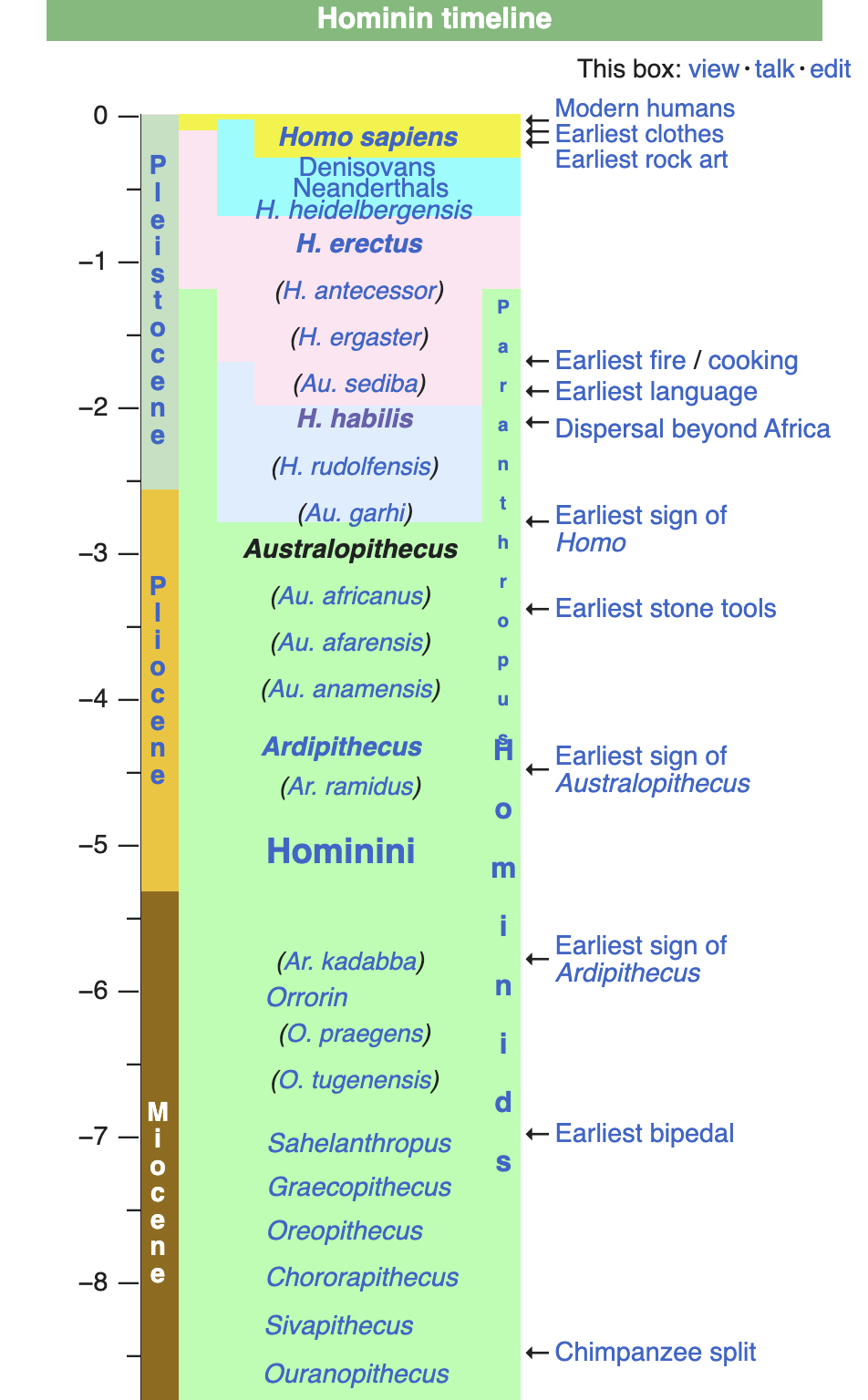
On the path of evolution from chimpanzees and bonobos on one hand, and the genus Homo on the other, in between is Australopithecus, about 3.5 million years ago. Analysis of tooth enamel from Australopithecus remains in South Africa shows that this human ancestor ate very little meat and relied predominantly on plant based food. 

The underlying paper is: Tina Lüdecke, Jennifer N. Leichliter, Dominic Stratford, Daniel M. Sigman, Hubert Vonhof, Gerald H. Haug, Marion K. Bamford, Alfredo Martínez-García. "Australopithecus at Sterkfontein did not consume substantial mammalian meat." 387 (6731) Science 309 (January 2025). DOI: 10.1126/science.adq7315

Austronesian-Papuan People Replaced The First Modern Humans In Wallacea


Wallacea is the ecological region between the Wallace Line and the Lydekker Line (image via Wikipedia at the link). The plants and animals there differ greatly from those to the west (which were connected by land to mainland Asia when sea levels were lower) because neither animals nor 46,000 years of settlers after the first modern humans to cross into it, could cross the roughly 30 miles of deep sea between the regions.

The most basal modern human populations outside Africa, which also have the greatest Denisovan admixture, are the indigenous people of Papua New Guinea and Australia. People from this wave were also present on the islands of the Wallacean Archipelago in Indonesia and lived there undisturbed for about 46,000 years. 

But, when Papuans made contact with and fused with Austronesian sea farers (who originated on the island that is now called Taiwan) around 3500 years ago, contemporaneously with the late Bronze Age in Europe, the resulting fused population replaced the descendants of the first wave of modern humans in the Wallacean Achipelago.
Significance

We present a comprehensive study of the human genetic history of the Wallacean Archipelago and West Papuan regions of Indonesia, including 254 newly sequenced genomes, mostly from previously undocumented populations. In combination with linguistic and archaeological evidence, we show that Wallacean societies were transformed by the spread of genes and languages from West Papua in the past 3,500 y—the same period that Austronesian seafarers were actively mixing with Wallacean and Papuan groups. These migrant groups have largely replaced local Wallacean ancestry sources, challenging common assumptions that Papuan-related ancestry in Wallacea descends from first human migrants enroute to Sahul >50,000 y ago, and suggesting that these ancient movements may not be readily recoverable from modern genetic data alone.

Abstract

The tropical archipelago of Wallacea was first settled by anatomically modern humans (AMH) by 50 thousand years ago (kya), with descendent populations thought to have remained genetically isolated prior to the arrival of Austronesian seafarers around 3.5 kya. 
Modern Wallaceans exhibit a longitudinal countergradient of Papuan- and Asian-related ancestries widely considered as evidence for mixing between local populations and Austronesian seafarers, though converging multidisciplinary evidence suggests that the Papuan-related component instead comes primarily from back-migrations from New Guinea. 
Here, we reconstruct Wallacean population genetic history using more than 250 newly reported genomes from 12 Wallacean and three West Papuan populations and confirm that the vast majority of Papuan-related ancestry in Wallacea (~75 to 100%) comes from prehistoric migrations originating in New Guinea and only a minor fraction is attributable to the founding AMH settlers. 
Mixing between Papuan and local Wallacean lineages appears to have been confined to the western and central parts of the archipelago and likely occurred contemporaneously with the widespread introduction of genes from Austronesian seafarers—which now comprise between ~40 and 85% of modern Wallacean ancestry—though dating historical admixture events remains challenging due to mixing continuing into the Historical Period. In conjunction with archaeological and linguistic records, our findings point to a dynamic Wallacean population history that was profoundly reshaped by the spread of Papuan genes, languages, and culture in the past 3,500 y.
Gludhug A. Purnomo , Shimona Kealy, Sue O’Connor, Raymond Tobler, et al., "The genetic origins and impacts of historical Papuan migrations into Wallacea" 121 (52) PNAS e2412355121 (December 17, 2024). Hat tip to DDeden.

Tuesday, January 14, 2025

A High Precision Estimate Of The Strong Force Coupling Constant

A new pre-print uses novel methods to make a high precision determination of the strong force coupling constant, at greater precision than all previous determinations combined, which is:

αs(mZ) = 0.11873(56)

The relative uncertainty is one part per 212.


This is important because all strong force (i.e. QCD) calculations rely upon this experimentally determined physical constant.

The Particle Data Group value is 0.1180(9) which is a relative uncertainty of one part per 131 using an error weighted average of all strong force coupling constant measurements.

Monday, January 13, 2025

Radial Migration Of Stars In MOND v. DM

Testable predictions to distinguish between MOND and dark matter theories are valuable.
Multiple studies on radial migration in disc galaxies have proven the importance of the effect of resonances with non-axisymmetric components on the evolution of galactic discs. However, the dynamical effects of classic Newtonian dynamics with dark matter (DM) differ from MOdified Newtonian Dynamics (MOND) and might trigger different radial migration. A thorough analysis of radial migration considering these two gravitational regimes might shed some light on different predictions of DM and MOND theories. We aim to quantitatively and qualitatively compare the effects of resonances and stellar radial migration (churning) in a Milky Way-like (MW-like) galaxy in the DM and MOND regimes. We performed simulations of a MW-like galaxy to analyse the effect of non-axisymmetric structures (galactic bar and spiral arms) considering various parameters of the spiral structure. We conducted a two-dimensional numerical simulation consisting of the integration of 2⋅10^6 stars in a static rotating galactic potential for 6 Gyr. We analysed the change in the star's position, the guiding radius, as well as the frequency phase space. We investigated DM and MOND approaches. The outcome of the simulation shows that the radial migration is much more pronounced in the MOND regime compared to the DM one. Compared to the DM approach, in the MOND regime, we observe up to five times as many stars with a maximum change in the guiding radius of more than 1.5 kpc during the time interval from 2−6 Gyr. Analysis of the frequency phase space reveals that the most prominent resonances in all DM and MOND configurations are the co-rotation resonance with the spiral arms (m=p=1), outer Lindblad resonance with the galactic bar and spiral arms, and the co-rotation resonance (m=2, p=1) with the superposition of the galactic bar and spiral arms, 2Ω=Ωb+Ωsp.
R. Nagy, F. Janák, M. Šturc, M. Jurčík, E. Puha, "Comparing radial migration in dark matter and MOND regimes" arXiv:2501.05924 (January 10, 2025).

Thursday, January 9, 2025

Human Sacrifice In Northern Peru Ca. 500 CE

A new study analyzed the remains of six people at an elite burial in northern coastal Peru in the Moche culture. One boy and one girl were human sacrifices. They were strangled to death which was the norm for human sacrifices in this region. Unexpectedly, the sacrificed children were themselves part of this royal family. The boy was sacrificed with his father. The girl who was sacrificed was the niece of the woman whom she was sacrificed with, who was the highest ranking figure, probably a queen. The graves were the subject of a memorial fire for at least 166 years.

Monday, January 6, 2025

Non-Perturbative GR Strikes Again

Non-perturbative general relativity, which has conventionally been ignored in many circumstances where it is actually relevant, including in modeling ordinary stars.
The general theory of relativity is currently established as the most precise theory of gravity supported by observations, and its application is diverse ranging from astronomy to cosmology, while its application to astrophysics has been restricted only to compact stars due to the assumption that the Newtonian approximation is sufficient for celestial bodies with medium density such as the sun. Surprisingly, the recent research of the author has implied that this long-held assumption is not valid, and that non-perturbative effects significantly change relevant results obtained by Newtonian gravity. In particular, local physical quantities inside the sun are newly predicted to exhibit power law differently from the so-called standard solar model. This surprising result is reviewed including brief discussion of physics behind the discrepancy and a new application of the new mass formula to gas planets.
Shuichi Yokoyama, "Stellar Physics and General Relativity" arXiv:2501.01442 (December 27, 2024) (published in Astronomische Nachrichte).

Thursday, January 2, 2025

Quote Of The Day

They say that science progresses one funeral at a time. But it’s no longer true. Because the first generation of string theorists has raised their students who are now continuing the same stuff. And why would they not, these are cozy jobs, and there is nothing and no one that could stop them. So yeah, Siegfried is right. String theory is not dead. It’s undead, and now walks around like a zombie eating people’s brains.
From Sabine Hossenfelder's Youtube video String Theory Isn’t Dead about the article that Peter Woit discussed here.

Ancient DNA From Siberia As A Source For Modern Populations

Different strains of Siberian ancestry spread east to the New World and west to Scandinavia.
Human populations across a vast area in northern Eurasia, from Fennoscandia to Chukotka, share a distinct genetic component often referred to as the Siberian ancestry. Most enriched in present-day Samoyedic-speaking populations such as Nganasans, its origins and history still remain elusive despite the growing list of ancient and present-day genomes from Siberia. 
Here, we reanalyze published ancient and present-day Siberian genomes focusing on the Baikal and Yakutia, resolving key questions regarding their genetic history. First, we show a long-term presence of a unique genetic profile in southern Siberia, up to 6,000 yr ago, which distinctly shares a deep ancestral connection with Native Americans. Second, we provide plausible historical models tracing genetic changes in West Baikal and Yakutia in fine resolution. Third, the Middle Neolithic individual from Yakutia, belonging to the Belkachi culture, serves as the best source so far available for the spread of the Siberian ancestry into Fennoscandia and Greenland. These findings shed light on the genetic legacy of the Siberian ancestry and provide insights into the complex interplay between different populations in northern Eurasia throughout history.
Haechan Gill, Juhyeon Lee, Choongwon Jeon, "Reconstructing the Genetic Relationship between Ancient and Present-Day Siberian Populations" 16(4) Genome Biology and Evolution evae063 (March 25, 2024) https://doi.org/10.1093/gbe/evae063

Shifts In IQ Over Time

The chart, via Razib Khan, is based upon polygenetic scores calculated based upon ancient DNA. 

Monday, December 30, 2024

A Mystery Bronze Age Script In Georgia

 3000 bc cuneiform writing on clay slab, front view


* Archaeologists uncovered a basalt tablet in the Bashplemi Lake region of Georgia with an unknown language carved into its face. 
* The tablet featured 60 characters across seven rows. 
* Experts said that the etchings showed excellent craftsmanship, even if they can’t yet determine the language’s origin.

There’s a new language in town. Well, actually, it’s ancient, and experts can’t even read it yet. But they’re excited to find out more.

Archaeologists discovered a basalt tablet about the size of a piece of paper bearing 60 unknown script characters expertly etched onto its surface in the Bashplemi Lake region of Georgia—the same site where some scientists believe the first European, a 1.8-million-year-old hominin, was discovered.

According to a study published in the Journal of Ancient History and Archaeology, the tablet—which measured 9.4 inches by 7.9 inches—was made from local vesicular basalt and featured seven rows of writing.
Via Popular Mechanics.

The journal article and its abstract are as follows:
In Georgia, numerous sites date back to the Bronze Age. Nearby Bashplemi Lake, the site of the discovery of a basalt tablet bearing an inscription with unknown characters, is the site where the skull of a 1.8-million-year-old hominin, the first European, was discovered. 
This tablet, which bears 60 signs, 39 of them different, raises the question of the origin of the Georgian script, proto-Georgian. While the basalt on which it is based is known to be of local origin, its meaning is unknown and there remains a long way to go to decipher it. 
An initial comparative analysis conducted with over 20 languages shows that the characters, which could belong to an aboriginal Caucasian population, beside proto-Georgian and Albanian writing signs, bear some similarities with Semitic, Brahmani, and North Iberian characters.
Ramaz Shengelia, et al., "Discovery of Unknown Script Characters In Georgia: The Bashplemi Lake Tablet" 11(3) Journal of Ancient History and Archaeology (2024) DOI: 10.14795/j.v11i3.1035

Deur On The Hubble Tension

Once again, Deur's analysis of the nonperturbative impacts of gravitational self-interactions delivers, this time, explaining the Hubble tension.
One of the most important problems vexing the ΛCDM cosmological model is the Hubble tension. It arises from the fact that measurements of the present value of the Hubble parameter performed with low-redshift quantities, e.g. the Type IA supernova, tend to yield larger values than measurements from quantities originating at high-redshift, e.g. fits of cosmic microwave background radiation. It is becoming likely that the discrepancy, currently standing at 5σ, is not due to systematic errors in the measurements. 
Here we explore whether the self-interaction of gravitational fields in General Relativity, which are traditionally neglected when studying the evolution of the Universe, can contribute to explaining the tension. We find that with field self-interaction accounted for, both low- and high-redshift data are simultaneously well-fitted, thereby showing that gravitational self-interaction yield consistent H0 values when inferred from SnIA and cosmic microwave background observations. Crucially, this is achieved without introducing additional parameters.
Corey Sargent, William Jackson Clark, Alexandre Deur, Balsa Terzic, "Hubble tension and gravitational self-interaction" Physica Scripta (June 25, 2024).

Most Viewed Posts Of 2024

Many of my most viewed posts this year are from prior years, but the ten most viewed posts at this blog from this year were:


In some cases, the large number of views was probably due to lively off-topic comment threads. In all there have been 559 comments at this blog in the last year.

Also, FYI, I have removed a couple of blogs that have had no new posts for more than a year, from my blog roll.

Sunday, December 29, 2024

I Am Not Deur

I have apparently written so much about Dr. Deur's work that Google Scholar sent me an email asking me to claim his Google Scholar profile. Of course, I didn't do that.

Friday, December 20, 2024

East Asian Historical Population Genetics Reviewed

A December 3, 2024 (open access) monograph published by the Cambridge University Press comprehensively reviews the historical population genetics of East Asia and its vicinity, with associated linguistic and cultural implications. It is one volume in a larger series about Ancient East Asia.

I'll discuss and analyze this wide ranging 90 page review article as time allows in the future. 

Hat tip to Language Log.

Thursday, December 19, 2024

Progress On The Harappan Script


Dr. Srini Kalyanaraman has been doing some painstaking work and making slow but steady incremental progress in making sense of the Harappan script. 

Like the Vinca script and the earliest Minoan writing, it is probably more of a collection of brands, logos, and ideograms than a full script for the Harappan language that could be used for any purpose. The Harappan language was the language of a people who called themselves Meluhha, according to the records of ancient Sumerians who traded with them and had a trade colony of Harappans in the Middle Bronze Age.
 
I get regular updates on his new papers, because I was apparently cited once in one of his papers, from a firm called Academia. But there are lots of them, and I haven't had time to follow them closely, paper by paper. In the indefinite "someday" future, when I have the time to do so, I aspire to download and review them all and write a post or two about them.

Still No Neutrinoless Double Beta Decay At PandaX-4T

Once again, there is no signal of neutrinoless double beta decay, which would indicate that the neutrino has a Majorana mass. 

This isn't necessarily decisive, because reasonable models of neutrinoless double beta decay rates for neutrinos with masses in the ballpark of what neutrino oscillation data and cosmology estimates would predict are still a few order of magnitude smaller than the ability of current experiments to detect (the predicted value is on the order of 10^28 years or more), although this due rule out less mainstream models of Majorana neutrinos which would predict much higher rates of neutrinoless double beta decay. But the consensus on non-detection from multiple experiments with different methods around the world does strongly discredit the one Russian experiment that claims to have seen this already many years ago, and it does deny advocates of Majorana mass for neutrinos any positive evidence that it exists.

We report the search for neutrinoless double-beta decay of 136Xe from the PandaX-4T experiment with a 3.7-tonne natural xenon target. The data reconstruction and the background modeling are optimized in the MeV energy region. A blind analysis is performed with data from the commissioning run and the first science run. No significant excess of signal over the background is observed. A lower limit on the half-life of 136Xe neutrinoless double-beta decay is established to be 2.1 × 10^24 ~ yr at the 90% confidence level, with a 136Xe exposure of 44.6 ~ kg⋅year. Our result represents the most stringent constraint from a natural xenon detector to date.
PandaX Collaboration, "Searching for Neutrinoless Double-Beta Decay of 136Xe with PandaX-4T" arXiv:2412.13979 (December 18, 2024).

The age of the universe is approximately 1.38 x 10^10 years. Xenon atoms would have been created sometime after Big Bang nucleosynthesis, no sooner than second generation stars. So, during the life of the universe, less than one in 10^14 atoms of the Xenon-136 isotope has had a neutrinoless double beta decay.

Footnote on Authorship in Collaborations

For what it is worth, I strongly endorse the emerging practice of designating a collaboration name, rather than merely a list of the names of everyone involved in the collaboration, as the primary author of papers that are the product of the work of the entire collaboration, which is fairly meaningless since it doesn't reveal the contributions of the individual authors to the collaboration. The only way that the contributions of the individual authors to the collaboration could really be meaningful is if collaborations did something similar to the credits of a movie, and broke down the individual collaborators by their job description within the collaboration.

The Latest W Boson Mass Measurement From CMS AT THE LHC

The latest W boson mass measurement from CMS at the LHC using data up to 13 TeV from the year 2016 is that "m(W) = 80360.2 ± 9.9 MeV, in agreement with the standard model prediction." The Standard Model electroweak fit value is 80353 ± 6 MeV. 

All recent measurements except a 2022 reanalysis of data from the CDF experiment at the Tevatron experiment are consistent with this value, and this CDF outlier is widely believed to be flawed and incorrect.

Tuesday, December 17, 2024

Two Quick HEP Hits

Toponium

It is often said that top quarks don't hadronize, but that isn't actually what the Standard Model says. 

Instead, top quarks decay so quickly that it is highly improbable, but not impossible, for a top quark hadron to form. If a top quark anti-top quark meson, called Toponium, forms quickly enough, there can be a top quark hadron. Its properties and likelihood of forming under particular conditions are well described in the Standard Model and experimental measurements of it could allow for much higher precision determinations of the top quark mass. This could be measured at future colliders.
We explore toponium, the smallest known quantum bound state of a top quark and its antiparticle, bound by the strong force. With a Bohr radius of 8×10^−18~m and a lifetime of 2.5×10^−25 s, toponium uniquely probes microphysics. Unlike all other hadrons, it is governed by ultraviolet freedom, exhibiting feeble interactions at distances much smaller than 10^−15 m, rather than infrared slavery that characterizes powerful interactions at approximately 10^−15~m. This distinction offers novel insights into quantum chromodynamics. 
Our analysis reveals a toponium signal exceeding five standard deviations in the distribution of the cross section ratio between e+e−→bb¯ and e+e−→qq¯ (q=b, c, s, d, u), based on 400~fb−1 {(1 fb = 10^−43 m2)} of data collected at around 341~GeV, driven by quantum interference. This discovery enables a top quark mass measurement with an uncertainty reduced by a factor of ten compared to current precision levels. 
Detection prospects at the Circular Electron Positron Collider or the Future Circular Lepton Collider underscore their potential to revolutionize our understanding of quantum mechanics.
Jing-Hang Fu, et al., "Toponium: the smallest bound state and simplest hadron in quantum mechanics" arXiv:2412.11254 (December 15, 2024).

Currently, the top quark mass is known to a precision of about 300 MeV. This method could reduce the uncertainty to about 30 MeV.

The smallest branching fraction every observed at five sigma

This measurement predicted that a hadron decay that was expected really happened with the expected frequency. But the extreme experimental achievement of definitively observing such a rare decay (which happens once in about 10 billion decays of a positively charged kaon and required about 400 billion K+ decays to confirm at a five sigma level) is what is notable in this case. Since a K+ is only one of many possible products of a collision, it took many trillions of collisions over six years, overall, to produce this result.
A measurement of the K+→π+νν¯ decay by the NA62 experiment at the CERN SPS is presented, using data collected in 2021 and 2022. This dataset was recorded, after modifications to the beamline and detectors, at a higher instantaneous beam intensity with respect to the 2016--2018 data taking. Combining NA62 data collected in 2016--2022, a measurement of B(K+→π+νν¯)=(13.0+3.3−3.0)×10^−11 is reported. With 51 signal candidates observed and an expected background of 18+3−2 events, B(K+→π+νν¯) becomes the smallest branching ratio measured with a signal significance above 5σ.
NA62 Collaboration, "Observation of the K+→π+νν¯ decay and measurement of its branching ratio" arXiv:2412.12015 (December 16, 2024).

Friday, December 13, 2024

The ΛCDM model v. F(R) Gravity

Once again, the ΛCDM model disappoints.
Over the last decades, tests on the standard model of cosmology, the so-called ΛCDM model, have been widely analysed and compared with many different models for describing dark energy. Modified gravities have played an important role in this sense as an alternative to ΛCDM model. Previous observational data has been always favouring ΛCDM model in comparison to any other model. While statistically speaking, alternative models have shown their power, fitting in some cases the observational data slightly better than ΛCDM, the significance and goodness of the fits were not significantly relevant to exclude the standard model of cosmology. 
In this paper, a generalisation of exponential F(R) gravity is considered and compared with ΛCDM model by using the latest observational data. Also some well-known model independent parameterisations for the equation of state (EoS) of dark energy are explored. 
These scenarios are confronted with the renewed observational data involving the Pantheon plus datasets of supernovae type Ia, the Hubble parameter estimations, data from the cosmic microwave background and baryon acoustic oscillations, where the latter includes the data provided by Dark Energy Spectroscopic Instrument collaboration. 
Results of this analysis suggest that standard exponential F(R) models provide much better fits than ΛCDM model, which is excluded at 4σ. Moreover, the parameterisations of the equation of state suggest a non-constant EoS parameter for dark energy, where ΛCDM model is also excluded at 4σ.
Sergei D. Odintsov, Diego Sáez-Chillón Gómez, German S. Sharov, "Modified gravity/Dynamical Dark Energy vs ΛCDM: is the game over?" arXiv:2412.09409 (December 12, 2024).

Thursday, December 12, 2024

Another Notable Attempt To Capture Galaxy Dynamics Without DM From GR

The highly robust Tully-Fischer relation is the strongest evidence for MOND or some other gravitational explanation for dark matter phenomena. 

Multiple attempts to use gravitomagnetism as the cause of this from conventional GR have failed, because this GR effect is too small. But this is not the only possible GR effect that is ignored in the Newtonian approximation so often used in the weak-field, slow-motion regime of astronomy and cosmology. This paper looks at a different neglected GR effect and finds that it is significant and can explain the Tully-Fischer relation without dark matter.
We study the low-energy limit of General Relativity in the presence of stationarity and axial symmetry, coupled to dust. Specifically, we demonstrate that differences between the dynamics of General Relativity and those of Newtonian gravity persist even in the weak-field and slow-motion regime. Notably, these differences are driven by dragging terms that are not necessarily small, as is typically the case in the well-known gravitomagnetic limit. To highlight this distinction, we introduce the concept of strong gravitomagnetism. We provide a pedagogical discussion of how these discrepancies arise and outline a systematic procedure to solve the equations of motion for such systems. Furthermore, we present analytical results for specific cases and also give the general solution for the vacuum case. A particularly notable result is our demonstration of how General Relativity can naturally account for a Tully-Fisher-like relation.
Davide Astesiano, Matteo Luca Ruggiero, "On the low-energy limit of stationary and axisymmetric solutions in General Relativity" arXiv:2412.08598 (December 11, 2024).

Tiny Black Holes And Some Related Conjectures

The Schwarzschild radius is the size of the event horizon of a black hole and is a linear function of mass. Specifically, the Schwarzschild radius is calculated using the formula: R = 2GM/c² where G is the gravitational constant, M is the mass of the object, and c is the speed of light. (Spin and charge in a black hole tweak this value.)

Galaxies

The Schwarzschild radius of a typical galaxy is about 10^15 meters (i.e. about 10^12 km or 0.1 light years). In fact, however, this is about 10 times larger than the most massive theoretically possible black holes.

Supermassive Black Holes

The supermassive black hole at the center of the Milky Way has a Schwarzschild radius of around 12 million kilometers (i.e. 1.2 * 10^13 meters a.k.a. about 0.001 light years, which is about 4 light days) due to its mass of about 4.1 million solar masses. The supermassive black holes at the center of galaxies have densities comparable to that of water. The theoretical limit for the mass of a black hole with typical properties is only 5×10^10 M☉, but can reach 2.7×10^11 M☉ at maximal prograde spin (a = 1).

Stellar Black Holes

The Schwarzschild radius of the smallest possible stellar black hole is approximately 10^4 meters (i.e. about 10 km to 12 km), which means that the mass per event horizon volume (i.e. density) of a small stellar black hole is on the order of the same as an atomic nucleus (which is part of why the most dense macroscopic object that is not a black hole is called a neutron star). These are the highest density objects known in nature, and it may be that there is some theoretical maximum density of anything in this vicinity (which would render primordial black holes of sub-stellar mass theoretically impossible).

Black holes should not be able to form from the gravitational collapse of a star below this mass.

The Sun

The Schwarzschild radius of our Sun is 2.9 * 10^3 meters (i.e. 2.9 km).

Earth

The Schwarzschild radius of the Earth is 0.88 * 10^-2 meters (i.e. 0.88 cm).

Asteroids 

The Schwarzschild radius of a typical asteroid is approximately 10^-3 meters (i.e. it is about one millimeter). This density is about 10^21 times greater than an atomic nucleus or in the lightest possible stellar black hole. This is roughly the size of primordial dark matter candidates that have not been ruled out due to either evaporation due to Hawking radiation over the life of the universe so far, or due to astronomy efforts to detect micro-lensing.

Planck Length

The Planck length is 1.616255(18) × 10^−35 meters. 

All distances smaller than this may be ill-defined or limited by the discreteness of space-time if space-time is not continuous.

Top Quark

The Schwarzschild radius of a top quark is approximately 10^-52 meters. This radius is about 10^37 times smaller than the actual size of a proton or neutron, and the volume is about 10^111 times smaller than a proton or neutron. The density of a top quark mass black hole would be about 10^113 times greater than a proton or neutron.

The formula for the Compton wavelength, which is "λ = h/(mc)" where h is Planck's constant, m is the mass of the particle, and c is the speed of light. The Compton radius of a top quark is about 1.1 * 10^-18 meters. 

The mean lifetime of the top quark is slightly longer than that of the W boson by which it decays, which could also be a fundamental floor on the mean lifetime of a particle and as a result on the maximum mass of a fundamental particle, which would explain why there are only three generations of fundamental fermions.

Gauge Bosons

The Schwarzschild radius of a W boson, Z boson, or Higgs boson is approximately 10^-52 to 10^-53 meters.

Bottom Quark

The Schwarzschild radius of a bottom quark is about 10^-53 meters.

Tau Leptons

The Schwarzschild radius of a tau lepton is a little less than twice the Schwarzschild radius of a proton, and a little less than half the Schwarzschild radius of a bottom quark.

Atoms and Nucleons

A proton or neutron has a radius on the order of 10^-15 meters, while an atomic nucleus of the largest possible atom has a radius that is 6-7 times larger. An entire atom, including its associated electrons, has a radius on the order of 10^-10 meters. All atomic nuclei have densities roughly the same as the density of a proton or neutron.

The Schwarzschild radius of a proton or neutron is 2.4 * 10^-54 meters. 

Up and Down Quarks

The Schwarzschild radius of an up quark or down quark is about 10^-56 meters.

Electrons

The Schwarzschild radius of an electron is 1.35 x 10^-57 meters. The Compton radius of an electron (a.k.a. its Compton wavelength) is 2.43 * 10^-12 meters.

Neutrinos

Assuming the neutrinos have masses on the order of 0.6 meV to 60 meV, the Schwarzschild radius of an neutrino is about 10^-66 to 10^-64 meters. The Compton radius of a neutrino (a.k.a. its Compton wavelength) about 10^-6 to 10^-8 meters. A neutrino cross-section is around 10^-38 cm^2 (about 10^-42 meters squared). The Planck area is about 10^-66 cm^2 (about 10^-70 meters squared).

Primordial Black Holes And Renormalization Considerations

As a footnote, when it comes the primordial black hole formation, it also bears noting that the temperature of the universe was vastly higher, and the volume of the universe was vastly larger, in the time frame when this would have happened. 

This means that the Standard Model constants would run to their higher energy scale values, most notably, with the weakening of the Higgs field at high energy scales which reduces the rest masses of Standard Model particles. It isn't clear how that would impact general relativity considerations. 

Energy and not just mass gravitates, and pressure also impacts the E=mc^2 conversion, but energy is generally more diffuse in space than rest mass. Intuitively, while the smaller volume of the universe would tend to favor primordial black hole formation, the higher temperatures of the very early universe would tend to disfavor it, and it isn't clear how these factors would balance out. 

It could also be the case that clumps of matter that weren't initially sufficient to form a black hole due to the weak Higgs field could suddenly flip over into one as the Higgs field strengthened at lower temperatures.

Tuesday, December 10, 2024

Slavery and Bride Migration In Bronze Age Germany

Germany had slavery and imported brides from outside their communities in social structure that lasted at least 700 years in one community that was studied.
High status families in late Neolithic and Bronze Age Germany kept slaves, genetic analysis reveals.

The finding, reported in the journal Science, provides fresh insight into ancient life in Europe, showing that complex slave-owning societies were well established long before those of classical Greece and Rome.

The research, centred on genome-wide data gathered from 104 individuals buried in Germany’s Lech Valley between about 2500 BCE and 1700 BCE, was conducted by researchers led by archaeo-geneticist Alissa Mittnik from the Max Planck Institute for the Science of Human History, in Jena, Germany.

The scientists gathered nuclear and mitochondrial DNA from each individual and compared it to genetic databases covering ancient and modern humans. They also looked at how the graves were arranged and examined the relationship between the number and type of artefacts buried in each.

The picture that emerged was of a surprisingly stable and enduring society that depended on the import of fertile women and menial underlings. The Lech Valley hosted a farming community, Mittnik and colleagues concluded, that persisted for about 700 years.

The people of the valley were a mixture of Western Hunter-Gatherers, Anatolian Neolithic farmers and Steppe pastoralists, with the farmers’ genetic heritage becoming more dominant as the centuries passed.

Analysis of strontium and oxygen deposits in bone revealed that the men remained in the community across multiple generations – a condition known as patrilocality. The women, in contrast, were largely born outside the area – some, indeed, hailed from a region more than 350 kilometres away, on the other side of the Alps.

The absence of women genetically related to the males strongly indicates that they left the community to join other groups.

Mittnik and colleagues also looked at grave goods as signifiers of social importance.

“Certain types of grave goods, especially weapons – daggers, axes, chisels and arrow heads – in male graves and elaborate body adornments in female graves – large headdresses, massive leg rings – as well as pins in graves of both sexes are likely status-associated,” they write.

Among the cohort of corpses examined, they found examples of children and adolescents who were genetically related to adult males and who had been interred with significant artefacts. This suggests that social standing was inherited rather than earned.
From here. Further analysis at the Old European Culture blog.

Monday, December 9, 2024

Clovis People Used Bones Of Small Predators For Needles

The Clovis people (who are not the first indigenous American culture, although they are derived from the Founding population of the Americas whose main wave of expansion came about fifteen hundred years earlier) are known for the spears that they used to hunt big game in North America before the Younger Dryas event wiped out their culture. But to survive in North America, they also needed needles to make clothing so they could function in this relatively cool region.

Tiny artifacts unearthed at a Wyoming site where a mammoth was butchered 13,000 years ago are revealing intriguing details about how the earliest Americans survived the last ice age.

Archaeologists found 32 needle fragments made from animal bone buried almost 15 feet (nearly 5 meters) underground at the La Prele site in Converse County. They are not the earliest eyed needles in the archaeological record, but for the first time scientists have been able to identify what the needles were made of by analyzing protein information contained in the bone collagen. The results were not what they expected.

“We had assumed they would be made out of bison or mammoth bone, which comprise most of the animal bones found at La Prele and other sites of its age in the High Plains and Rocky Mountains of North America,” said Wyoming state archaeologist Spencer Pelton, lead author of a new study on the needles published November 27 in the scientific journal PLOS ONE.

Instead, the needles were created from the bones of red foxes, bobcats, mountain lions, lynx, the now-extinct American cheetah, and hares or rabbits, the study found.

“It was extremely surprising that these needles were made out of small carnivores,” Pelton said.

From CNN.